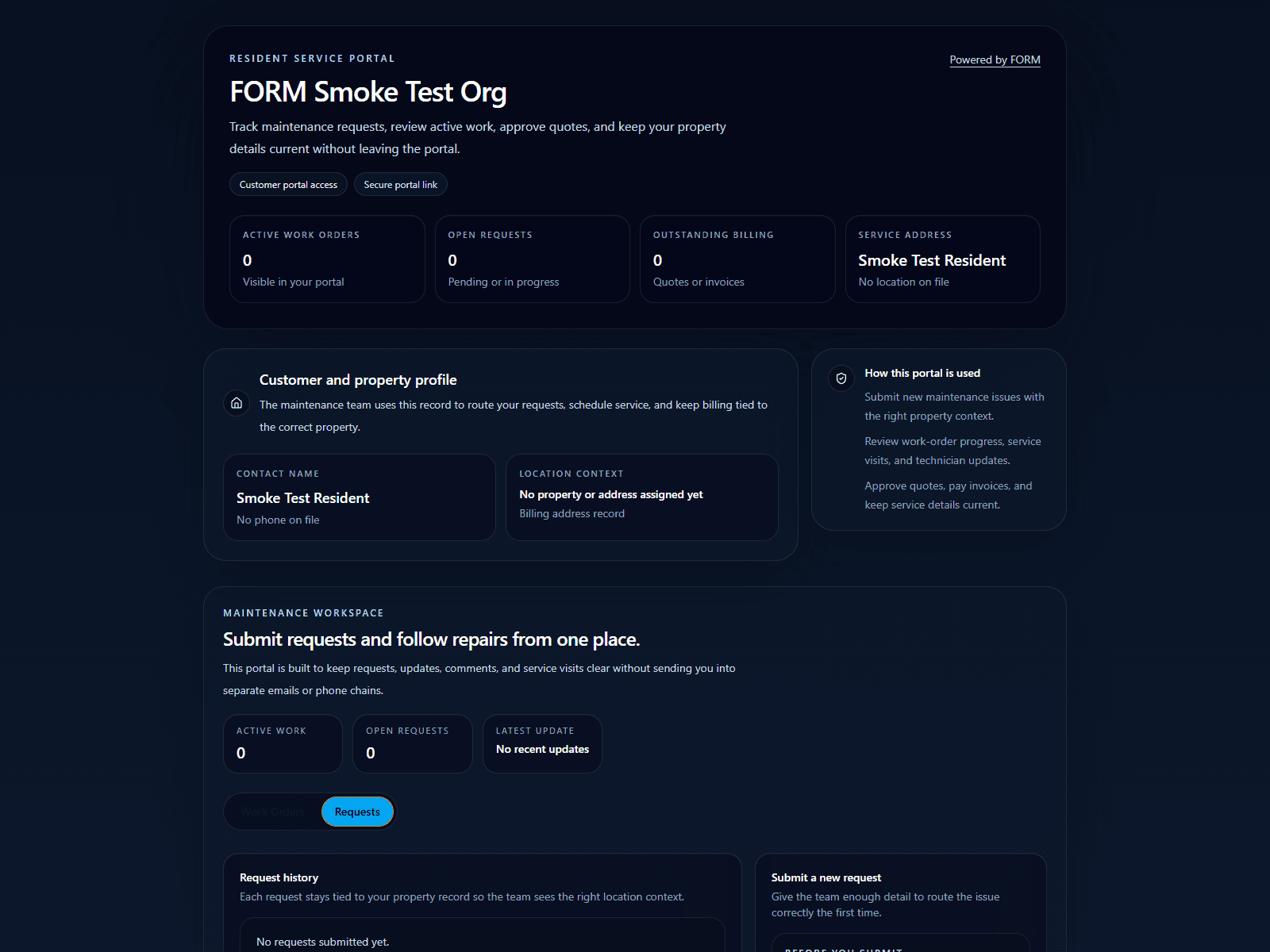
Guest continuity
Keep the guest or member side clearer after a service issue starts.
Customer-facing requests, updates, invoices, and communication should not disappear into a back-office system once the work begins.
Hospitality, resorts, and clubs need the customer-facing side and the operational side to stay in sync. FORM helps guest-service workflows, specialist team execution, provider coordination, and payment-side continuity stay closer together.
This page highlights the workflows, operational needs, and benefits that matter most for this audience.
Customer-facing requests, updates, invoices, and communication should not disappear into a back-office system once the work begins.
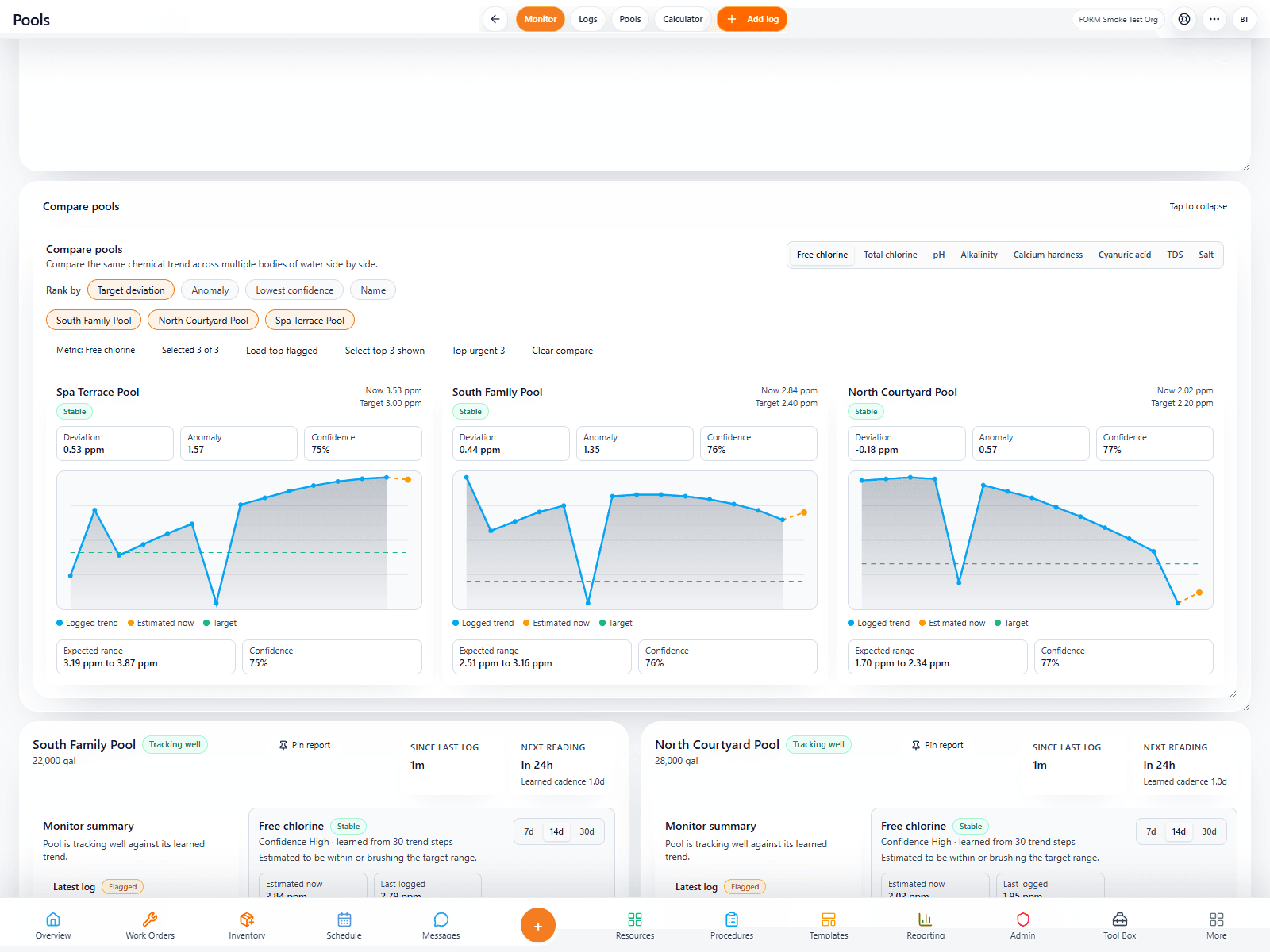
Pools, Schedulers, and the wider FORM environment help hospitality teams support niche workflows without losing the shared operating context.
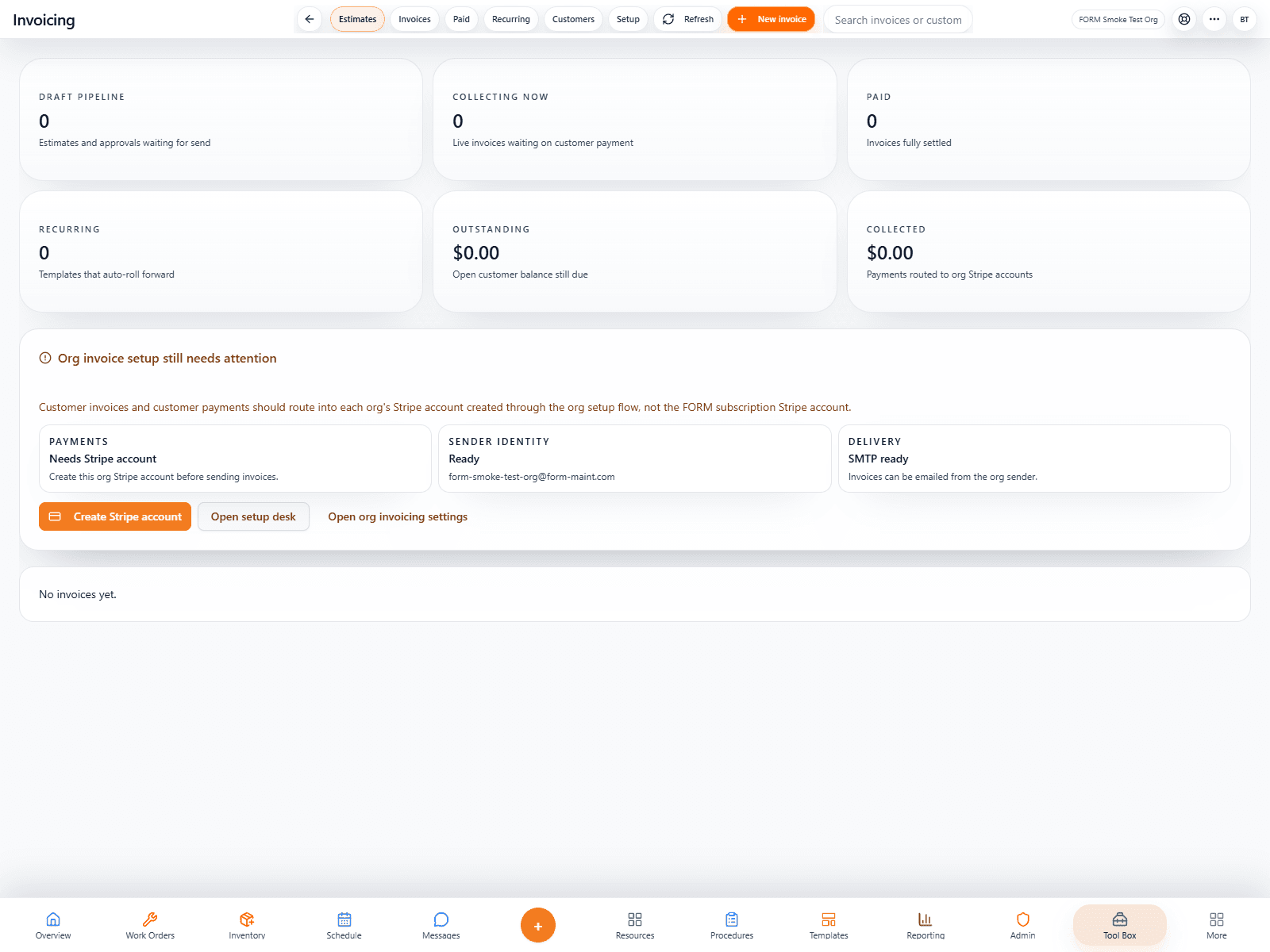
When charges, quotes, approvals, or follow-up service billing matter, the payment side should stay connected to the same guest or customer record.
FORM helps hospitality teams keep guest service, specialist operational workflows, and payment-side follow-through closer together. The point is not only to track work. It is to protect the guest-facing experience while the organization still executes cleanly behind the scenes.
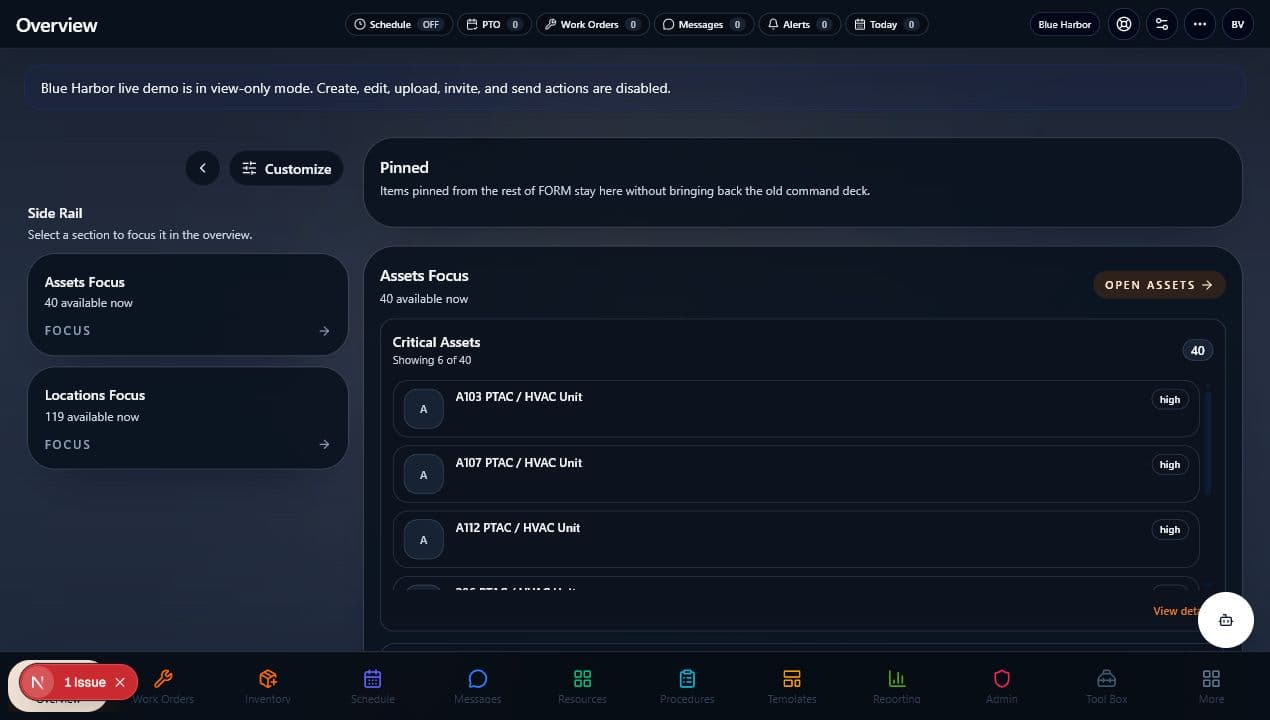
These are practical ways this audience can begin using FORM.
If the issue is that guests or members lose confidence after submitting a request, the shared portal and update model deserve early focus.
Schedulers, work execution, teams, and specialist tools matter because the guest-facing experience only improves if the internal service system gets better too.
Hospitality teams can start with a narrow operational pressure and still retain a path into the broader ecosystem as the rollout grows.
The right first move depends on whether growth, customer access, operations, or payments is the biggest issue today.
Best when hospitality teams need guest-facing continuity plus the internal operating system behind it.
Best when one specialist workflow is urgent and deserves a standalone surface first.
Best when the immediate pain is guest-facing communication and follow-through.
These are common business problems FORM is built to reduce for this audience.
A guest or member reports an issue, but the operational follow-through disappears into an internal queue with weak visibility.
FORM keeps the service system and the customer-facing side closer together so the team can improve response without making the experience feel opaque.
Hospitality teams often need niche workflows like pools or scheduling, but those tools become isolated from the broader service environment.
Focused specialist apps can still fit inside the larger FORM ecosystem instead of forcing another disconnected software island.
Billing and payment questions arise after the fact, but the service context that explains them is trapped somewhere else.
Quotes, invoices, and payment-side follow-through stay closer to the guest or customer record that generated them.
These are the main areas where teams usually see operational and customer-facing improvement.
Hospitality teams benefit when the guest-facing side and the internal service side stay closer together after a problem is reported.
Engineering, amenities, scheduling, and customer-facing teams can coordinate more cleanly when they share a stronger system backbone.
Billing and service confidence both improve when the commercial side is not treated like a separate operational universe.
A resort needs guest-facing service continuity while also managing specialist workflows like pools, scheduling, and broader maintenance operations.
Guest requests are acknowledged, but operational execution and follow-up splinter into separate tools, making it harder to maintain confidence and internal alignment.
FORM helps the resort keep guest visibility, specialist workflows, and payment-side follow-through closer to one environment instead of stitching them together manually.