Checkout accountability
Track who has each vehicle and what happened during use.
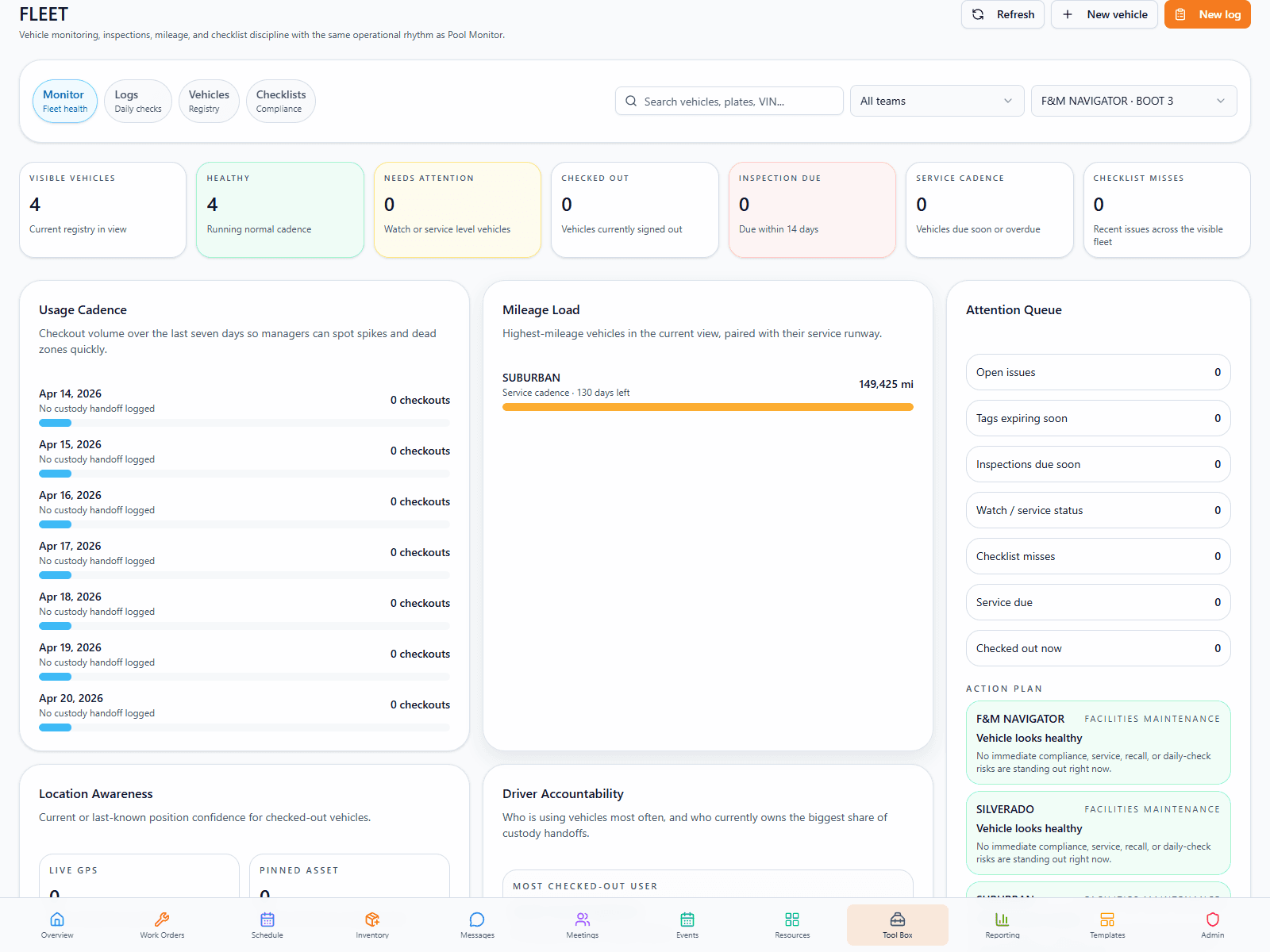
Fleet is built around daily checkouts, custody records, and stronger visibility into who is responsible for each vehicle at a given time.
Vehicle accountability, maintenance intelligence, and fleet visibility built for real operators. FORM Fleet is positioned to become a focused product for vehicle checkouts, health monitoring, service planning, accountability, and location-aware operational decisions. As the tool matures, it has clear standalone value for organizations that need serious fleet operations without the full FORM surface area.
This future standalone direction is compelling because vehicles create expensive blind spots when teams do not know who has them, what condition they are in, or what needs attention next.
Fleet is built around daily checkouts, custody records, and stronger visibility into who is responsible for each vehicle at a given time.
The product supports inspections, service logs, mileage tracking, and the broader maintenance story of each vehicle over time.
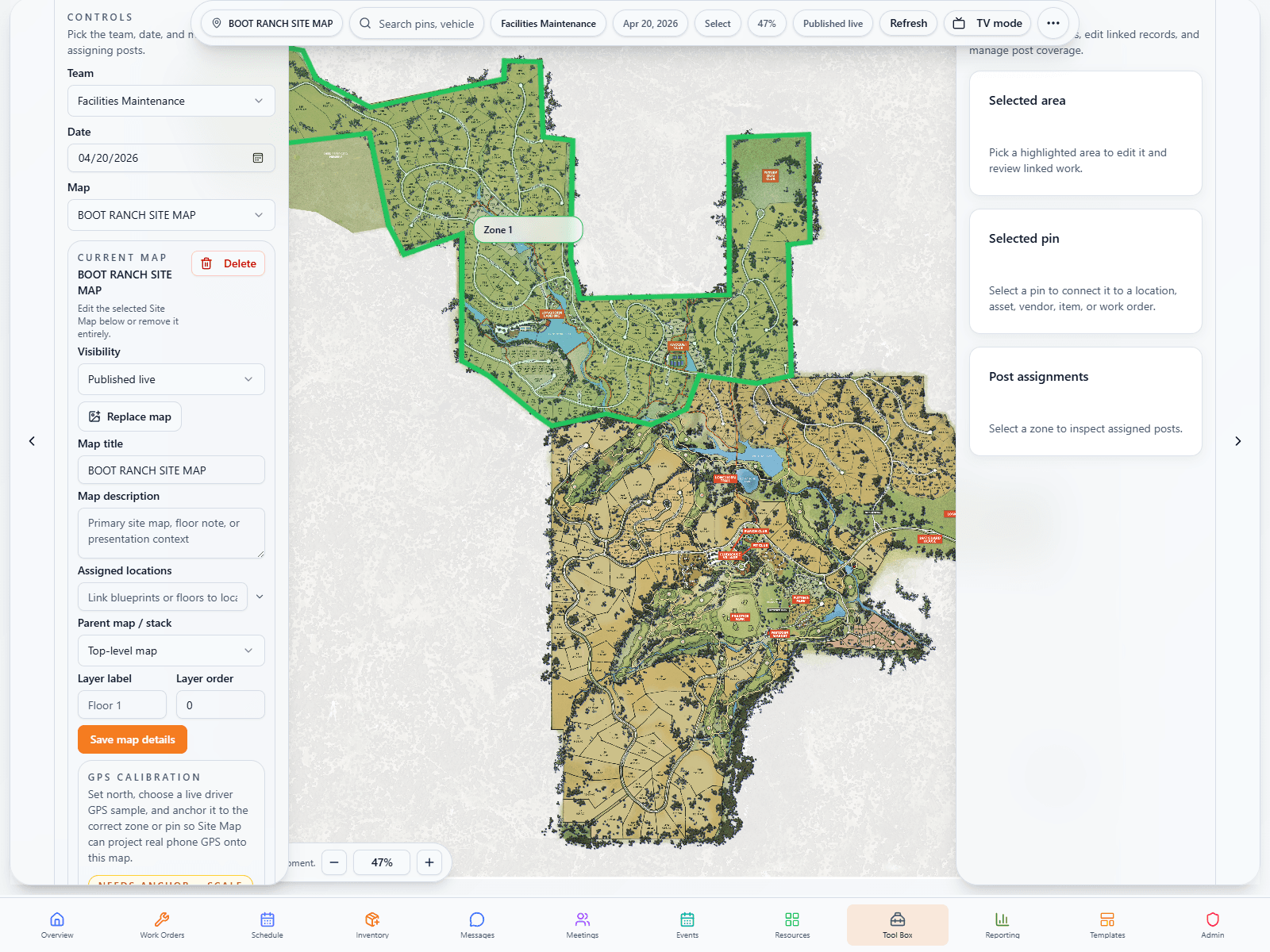
Fleet becomes even more useful when checkout history, work context, and site information help operators understand where vehicles likely are and what they are supporting.
Fleet stands out when multiple people use the same vehicles and leadership needs a better answer to who has what, what shape it is in, and what it needs next.
This path is especially relevant for service teams, facilities groups, and field operations with shared vehicles and recurring maintenance responsibility.
A better checkout system closes the accountability gap that usually appears as soon as a vehicle is shared by multiple users.
The product is designed to keep maintenance and inspection visibility close to the operator record so issues surface earlier.
Fleet becomes even more valuable when connected to work orders, schedules, and Site Map context across the wider platform.
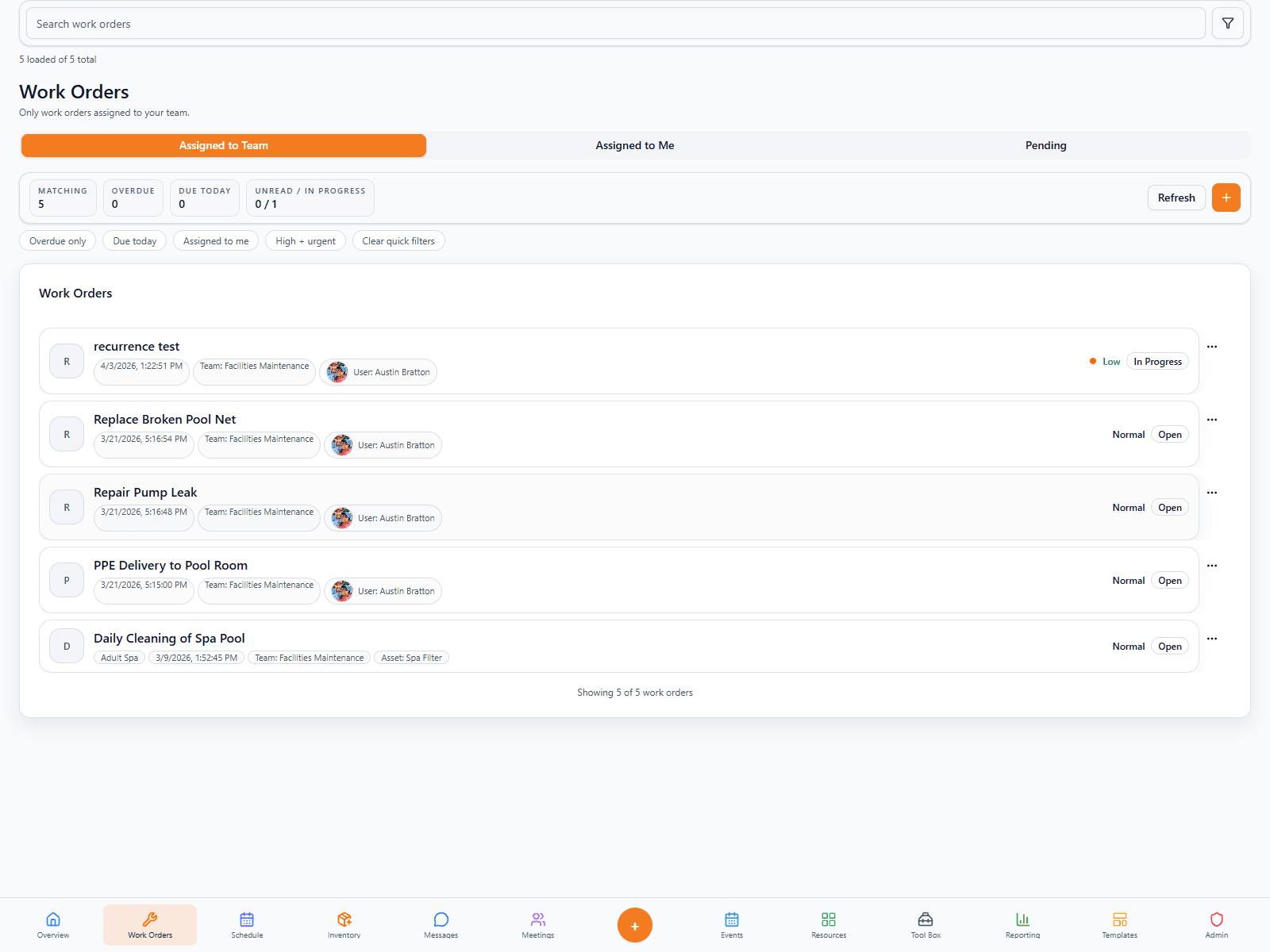
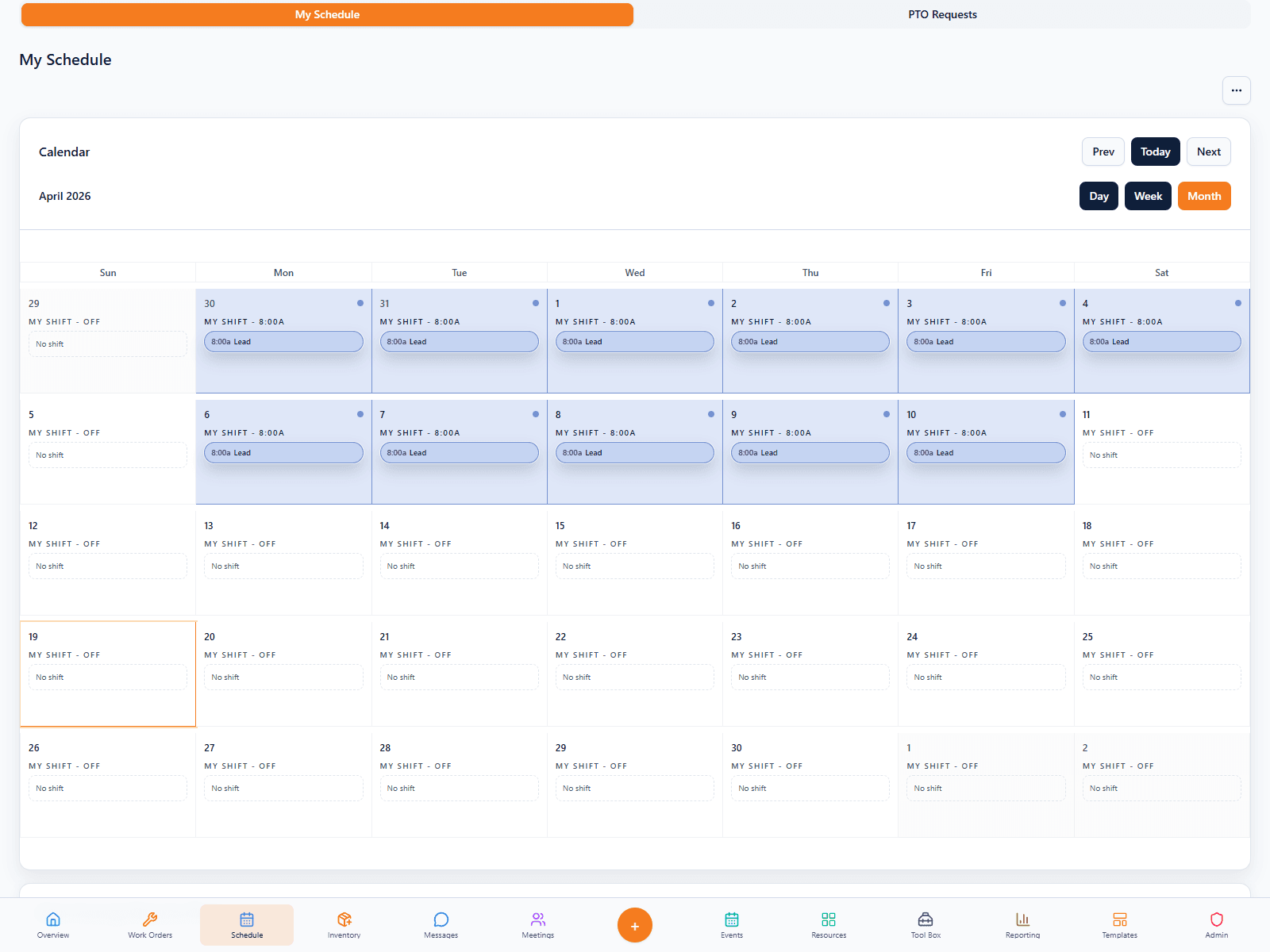
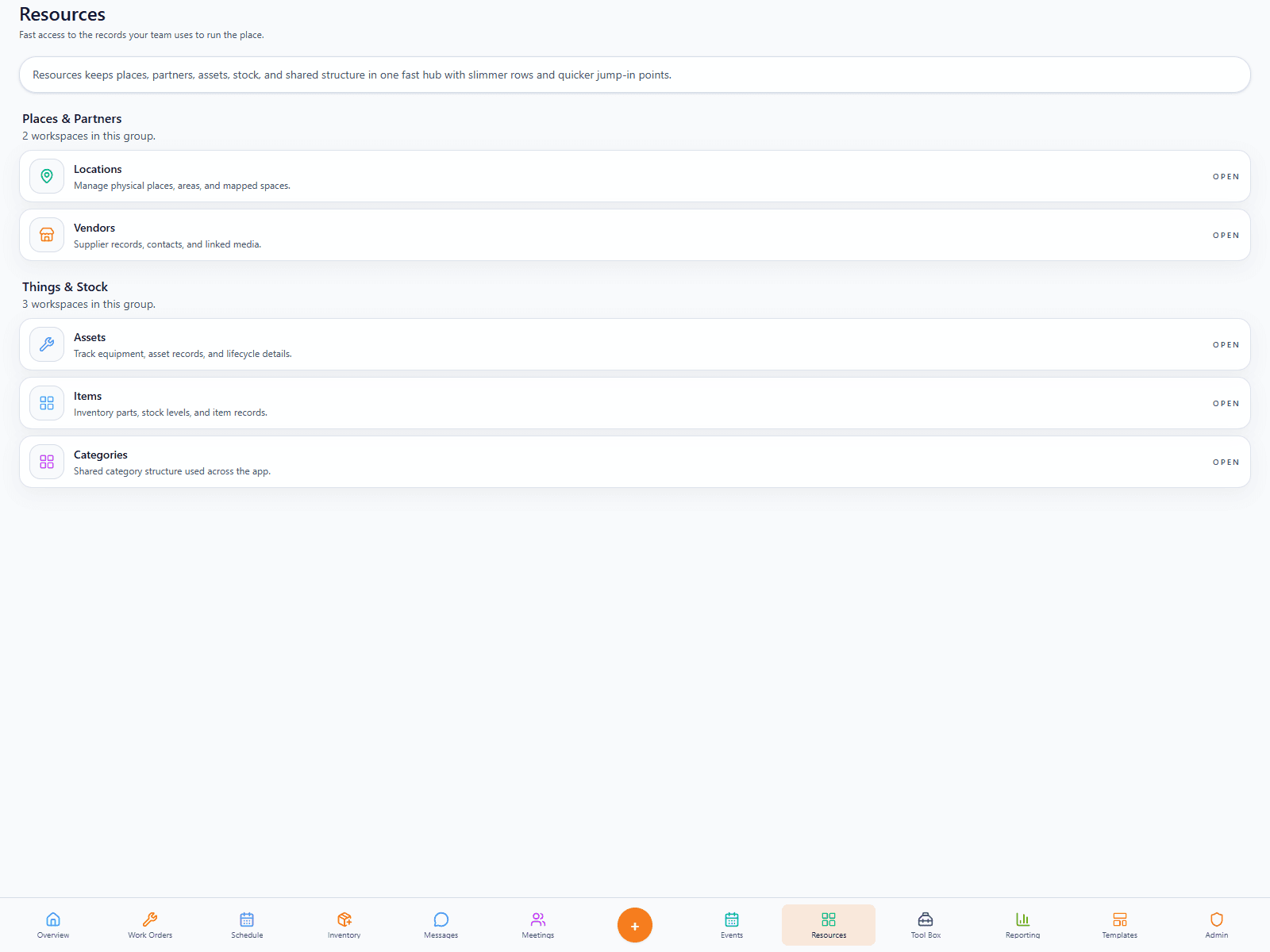
The AI story for Fleet is about smarter health suggestions, known-issue surfacing, and more useful maintenance decision support based on actual vehicle context.


If this tool is part of a bigger operational vision, FORM remains the full platform path. That lets the customer start focused and expand later instead of replatforming.