FORM Dispatch presentation art
Specialized Tools

FORM Dispatch

A cleaner dispatch layer for service-heavy organizations. A future dispatch-first workspace for routing, service response, and clearer field coordination.

AI-ready roadmap
Future route / dispatch-first product direction
Route
Standalone future
Dispatch
Operational value
Dispatch complexity grows quickly when routing, scheduling, and service communication are handled in separate systems. A dedicated dispatch layer helps simplify that.
AI-ready roadmap
AI posture
The long-term goal is a dispatch workflow that is simpler to operate under pressure than traditional service-routing tools.
Field response

FORM Dispatch is the future dispatch-first layer for routing, service response, and field coordination under pressure.

This page should position Dispatch as the focused surface organizations reach for when routing, assignment, and active field visibility need to become more disciplined.

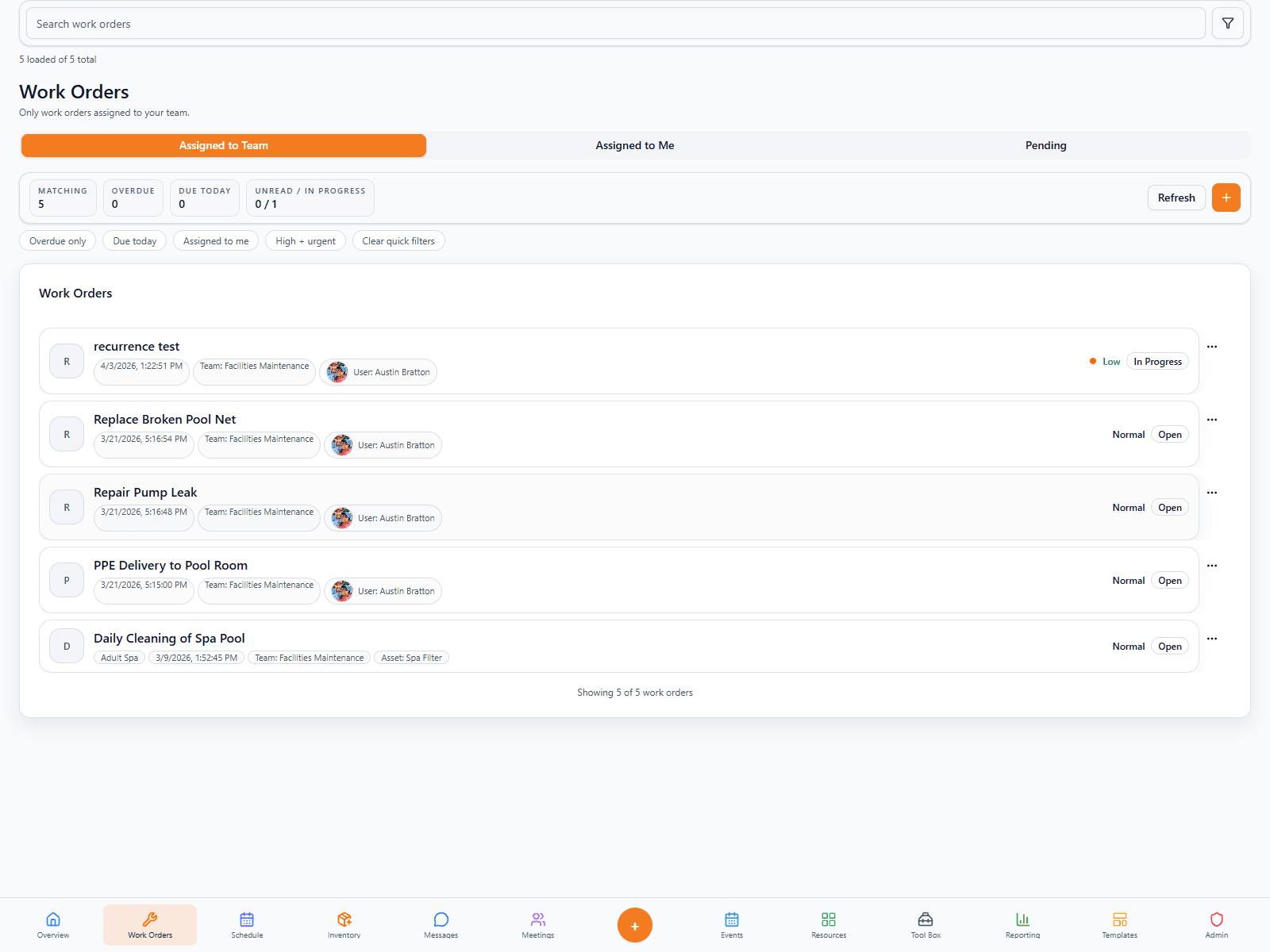
FORM Work Orders representing dispatch response flow
Response flow

Move from incoming need to assigned response faster.

Dispatch is designed to help service-heavy teams coordinate intake, assignment, and live field response with more structure and less confusion.

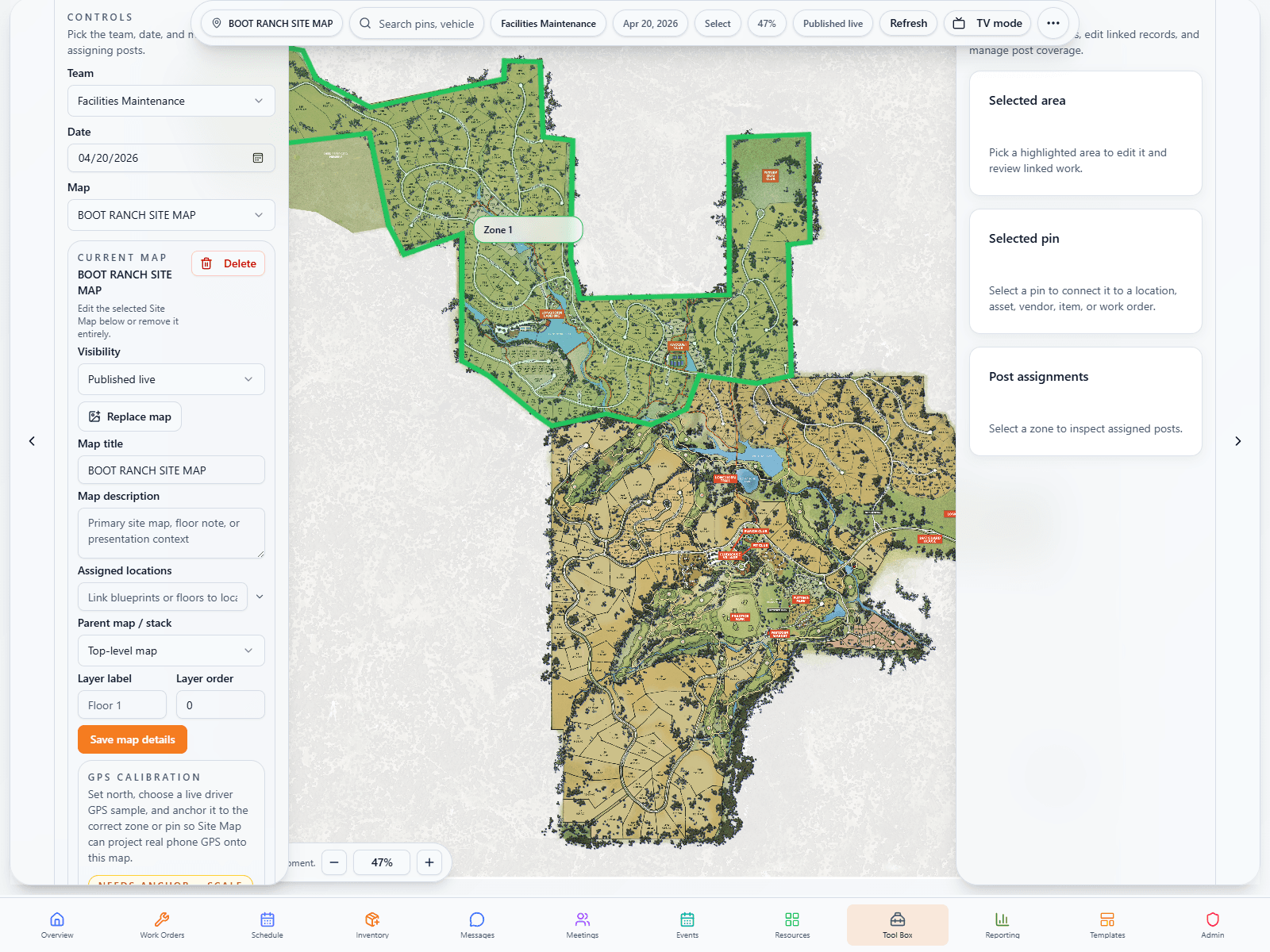
FORM Site Map supporting dispatch routing
Routing context

Make routing decisions with work and site context in view.

The product path is especially compelling when routing can be understood alongside site knowledge, field assignment, and related operational systems.
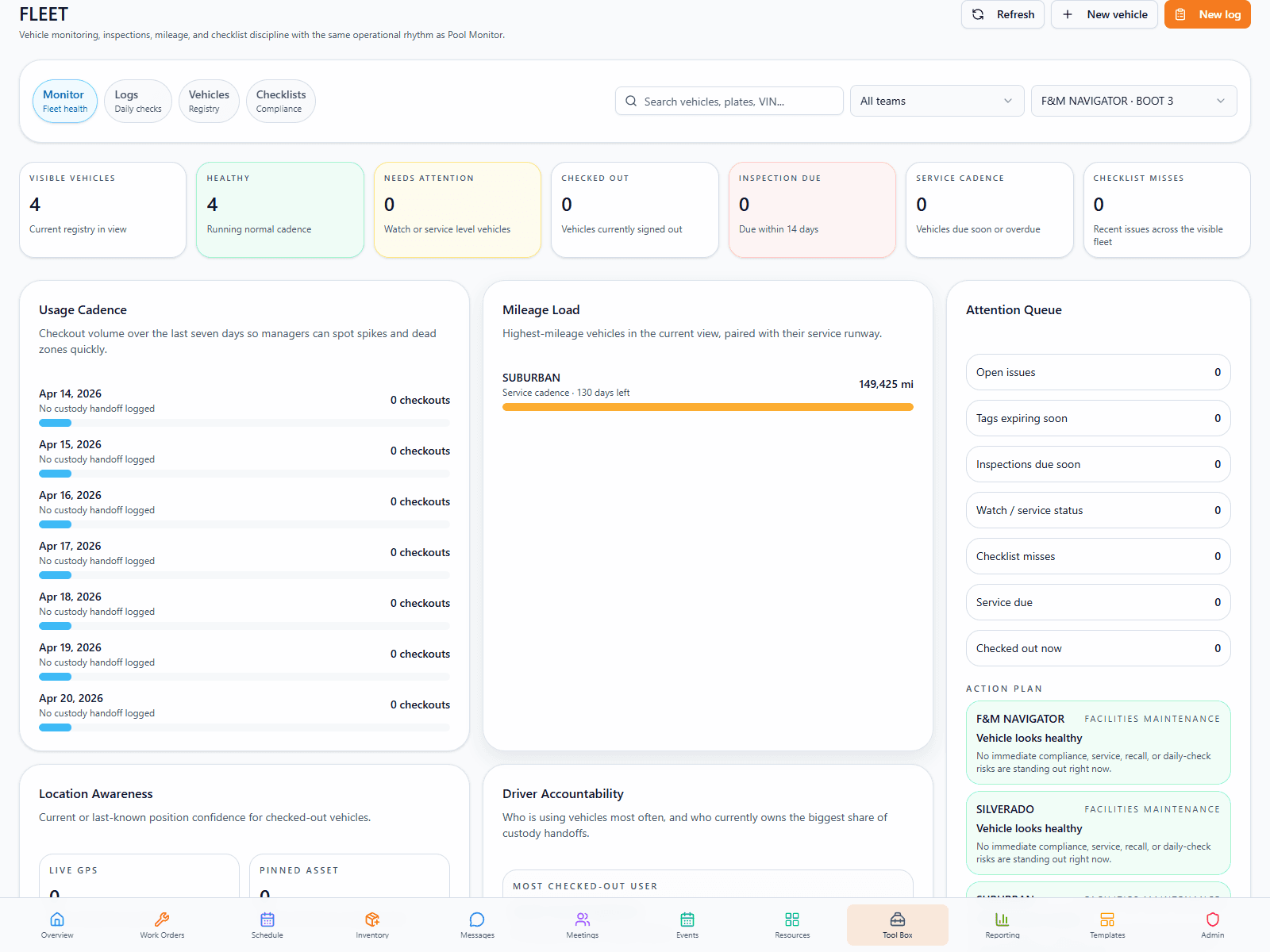
FORM Fleet supporting dispatch field visibility
Field visibility

Keep a stronger picture of active response across the day.

Dispatch should help leadership see what is active, who is handling it, and what needs to move next without relying on fragmented follow-up.

How teams use it
Dispatch is built for service-heavy teams that need response coordination to become its own serious workflow.
The long-term goal is a cleaner field-response layer that helps incoming needs turn into visible assignments and better live coordination.
Why it matters

Service organizations lose speed and clarity fast when dispatch is just another side effect of other tools.

FORM Dispatch is aimed at teams that need routing, response visibility, and field coordination to become more structured as the operation grows.

Cleaner assignment flow.
Better active-response visibility.
A stronger service-coordination layer for field work.
Dispatch direction
Dispatch-related operational workspace
Who it is for

Dispatch is a strong fit for service-heavy teams that know routing confusion is hurting execution.

This path is most relevant where field response, technician movement, and service coordination need more visibility and structure than the current stack provides.

Service managers
01

Coordinate active response with more confidence

Dispatch helps service managers move faster when they need to see what is active, who owns it, and what should happen next.

Faster intake
Cleaner routing
Better field visibility
Field leaders
02

Get a stronger picture of what the field is doing

The dispatch layer becomes more useful when leadership can see active response clearly instead of piecing it together manually.

Response clarity
Field coordination
Stronger oversight
Growing operators
03

Prepare for a more serious service operation

As service volume increases, dispatch often needs its own product surface to stay manageable.

Scalable coordination
Cleaner routing path
Better future readiness
AI in the workflow

AI matters here when it helps teams route and prioritize faster under real pressure.

The practical future is priority-aware dispatch support, smarter routing suggestions, and less guesswork when multiple active needs are competing for attention.

Smarter routing help.
Priority-aware response suggestions.
Less guesswork in active field coordination.
AI-assisted dispatch planning
Dispatch AI routing concept
More in this lane
Other specialized tools tools that strengthen the same story.
These neighboring tools help buyers understand that FORM is not just one page at a time — it is a coherent system with related workspaces supporting one another.